The Home for Bewildered Beasts of Legend
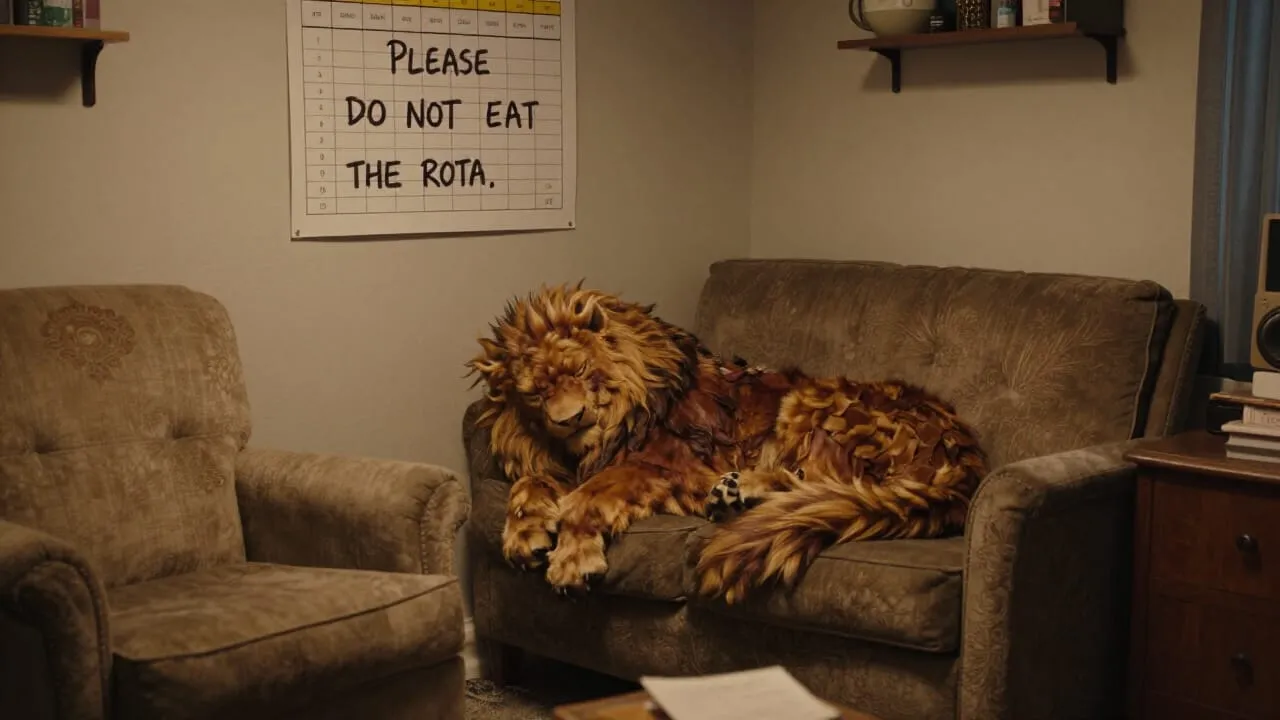
Like many NGOs, this organisation also runs on goodwill, donor data, and a patchwork of tools acquired over the years by people who meant well and moved on. There are integrations nobody fully understands, a CRM that predates three governance cycles, and a Microsoft 365 tenant configured by whoever was available at the time. The volunteers are enthusiastic. The budget is not.
It is also bigger than the Ankh-Morpork building suggests. The Home is the flagship of a network that reaches across the Disc, which is most of why a charity’s data stewardship turns out not to be a small problem. How that came about, and who finds it quietly useful, is in across the Disc.
The stakes are real: 200,000 members, donors and supporters whose data needs stewarding.
The goal here is not a checkbox. ISO 27001 exists and may eventually be relevant, but a freshly hired architect in a resource-constrained non-profit does not start there. The goal is to reduce actual risk for actual people and animals: the care workers, the volunteers, the 200,000 members and donors whose trust funds your mission.
Evidence for auditors accumulates as a side effect of doing the work properly. Purple crossroads mark where the work intersects with frameworks, but the motive is protection, not compliance theatre.